Aeration and Overseeding in Middle Tennessee: When Is the Best Time?
A lush, green lawn is the pride of any homeowner, and in Middle Tennessee, achieving this often requires strategic lawn care practices. Aeration and overseeding are two crucial techniques that can transform your yard into a vibrant oasis. Understanding the best time for these activities is essential for optimal results.
The climate in Middle Tennessee, characterized by hot summers and mild winters, plays a significant role in determining the timing of aeration and overseeding. By aligning these practices with the seasonal weather patterns, you can improve the health and appearance of your lawn.

Why Aerate Your Lawn?
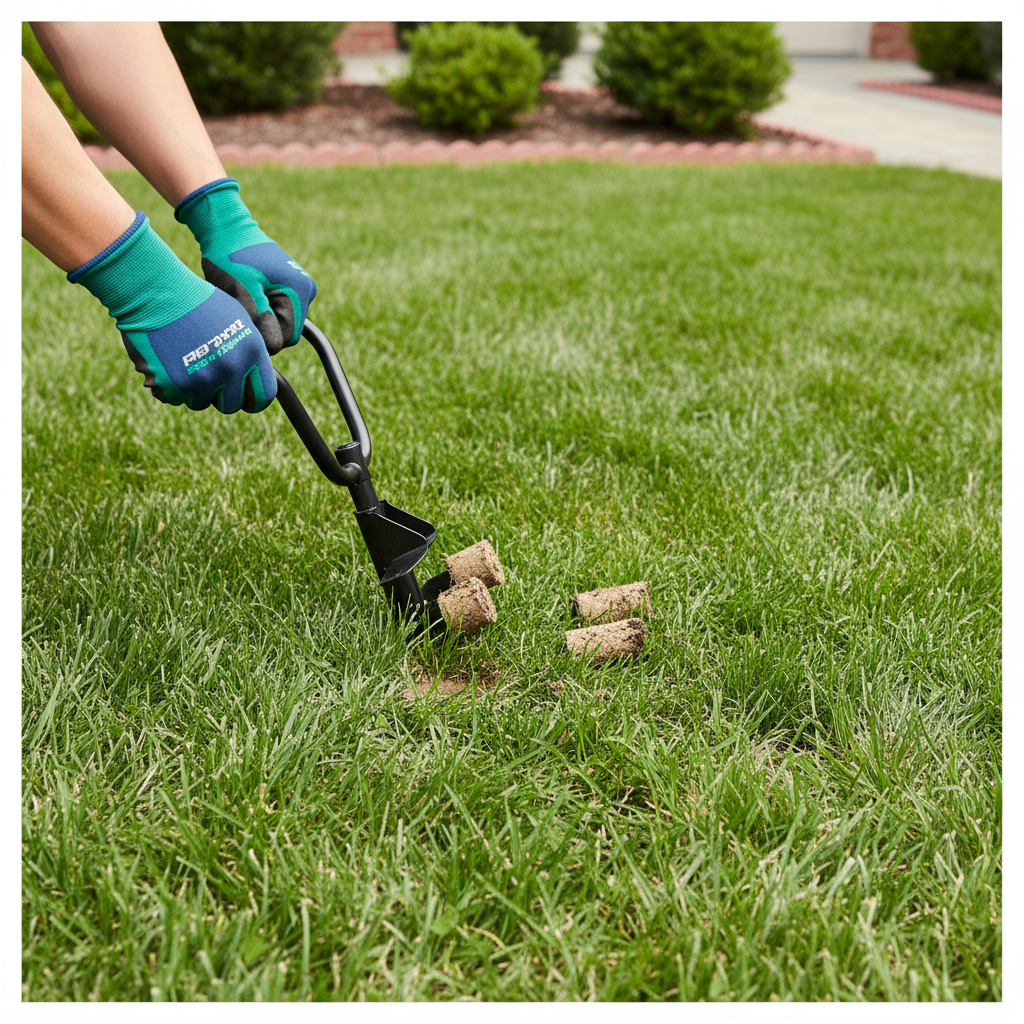
Aeration involves perforating the soil with small holes to allow air, water, and nutrients to penetrate the grassroots. This process helps alleviate soil compaction, enabling roots to grow deeper and stronger. Aeration is particularly important for lawns that endure heavy foot traffic or have clay-heavy soil.
In Middle Tennessee, the best time to aerate your lawn is during the early fall. This timing allows the lawn to recover and grow during the cooler, less stressful months. Aerating in the fall also prepares the soil for overseeding, enhancing seed-to-soil contact.
The Importance of Overseeding
Overseeding involves spreading grass seed over an existing lawn without tearing up the turf or soil. This practice helps fill in bare spots, improve lawn density, and enhance the lawn's resilience to pests and diseases. Selecting the right grass seed is crucial, and cool-season grasses like fescue are ideal for Middle Tennessee.
The optimal time for overseeding in Middle Tennessee is also early fall. The cooler temperatures and increased rainfall create ideal conditions for seed germination and establishment. By overseeding at this time, you give new grass the chance to develop strong roots before the heat of summer returns.

Steps for Successful Aeration and Overseeding
To make the most out of aeration and overseeding, follow these steps:
- Mow your lawn: Set your mower to a lower setting to ensure the seeds reach the soil.
- Water the lawn: Moist soil is easier to aerate, so water your lawn a day before aeration.
- Aerate: Use a core aerator for best results, focusing on high-traffic areas.
- Spread seed: Use a broadcast spreader to evenly distribute grass seed.
- Fertilize: Apply a starter fertilizer to boost seed growth.
- Water again: Keep the soil consistently moist to encourage germination.
Maintaining Your Lawn Post-Aeration and Overseeding
After aeration and overseeding, maintaining consistent care is crucial. Water your lawn regularly, especially during dry spells, to help new grass establish. Avoid heavy foot traffic on newly seeded areas to prevent soil compaction and seed displacement.
Fertilizing your lawn a few weeks after overseeding can also promote healthy growth. Choose a balanced fertilizer that will support both existing grass and new seedlings.

Conclusion
Aeration and overseeding are transformative practices for your lawn, particularly in Middle Tennessee. Timing these activities during early fall can significantly enhance the health and appearance of your yard. By following the steps outlined and maintaining diligent care, you'll enjoy a lush, resilient lawn year-round.