Case Study: Successful Drainage Solutions for a Public Park Project
Introduction to the Project
Creating an efficient drainage solution for a public park is crucial for maintaining its usability and aesthetic appeal. In this case study, we explore a successful implementation of drainage solutions that transformed a frequently waterlogged park into a vibrant community space.
The primary goal was to address persistent flooding issues that affected the park's recreational areas, pathways, and landscaping. Our team was tasked with designing a solution that would not only manage stormwater effectively but also enhance the park's natural beauty.
Challenges Faced
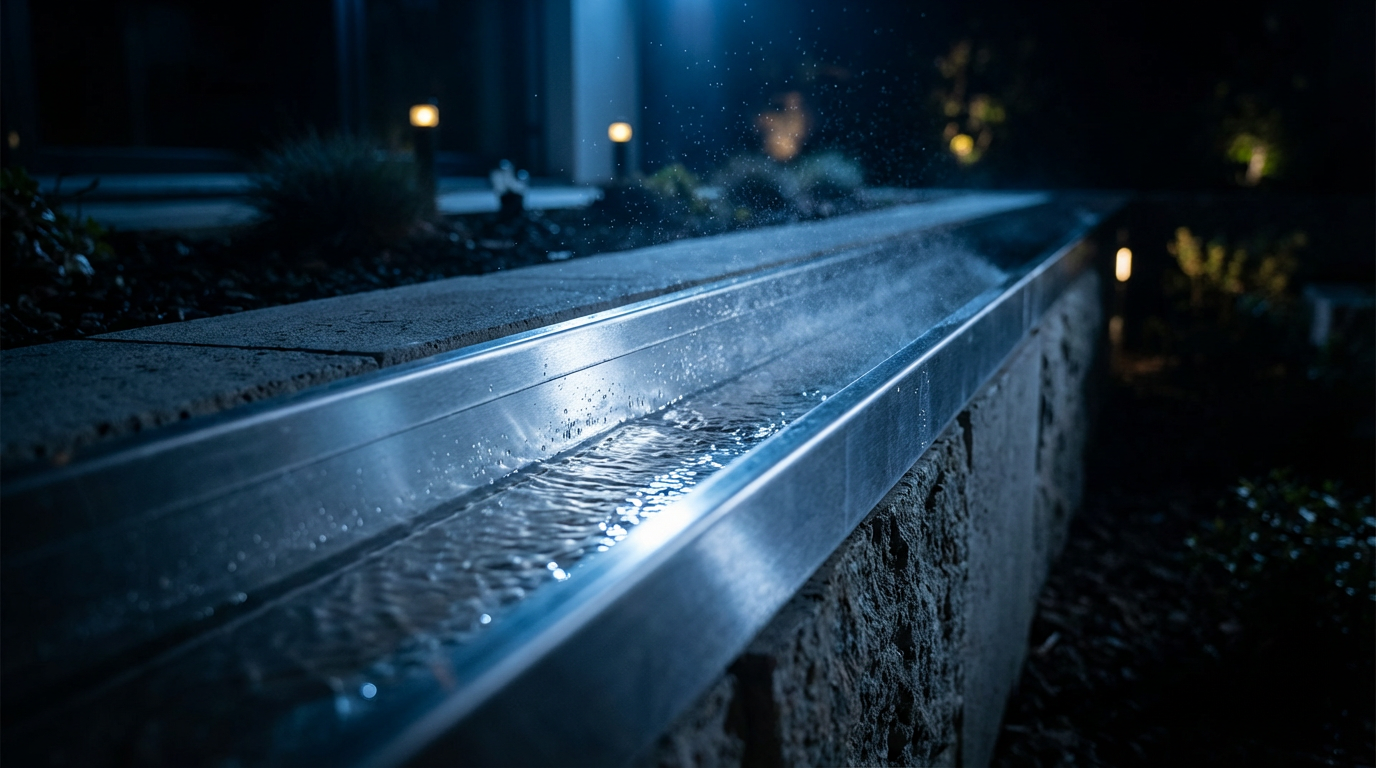
One of the major challenges in this project was the park's location in a low-lying area, prone to excessive rainfall and poor natural drainage. This often resulted in standing water, making large portions of the park unusable during wet seasons.
Moreover, the park's existing infrastructure was outdated and insufficient to handle the volume of water. This required a comprehensive approach to redesign both surface and subsurface drainage systems.
Environmental Considerations
Another critical factor was the need to integrate environmentally friendly practices. The project aimed to preserve local wildlife habitats and utilize sustainable materials wherever possible. This necessitated a balance between engineering efficiency and ecological sensitivity.
The Solution
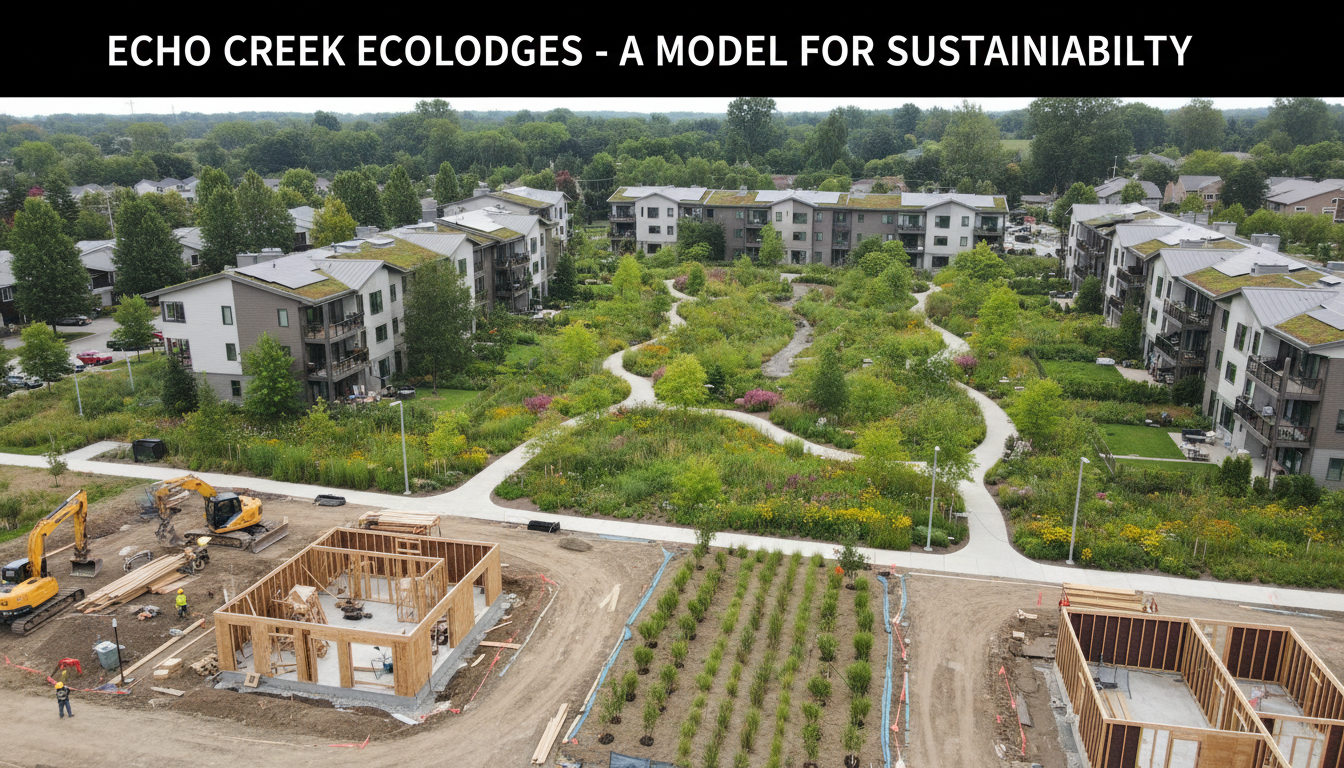
Our approach combined modern engineering techniques with sustainable practices. The solution involved the installation of permeable pavements, which allow water to seep through and reduce runoff. This was complemented by strategically placed bioswales and retention basins to capture and filter stormwater.
Additionally, native plants were introduced around the drainage areas to enhance water absorption and provide natural filtration. This not only improved the drainage capacity but also enriched the park's biodiversity.
Implementation Process
The project was executed in phases, starting with an extensive site survey and soil analysis. This data informed the placement and design of the drainage features. Our team worked closely with local authorities and environmental experts to ensure compliance with regulations and sustainability standards.

Results and Impact
The implementation of these drainage solutions has significantly reduced waterlogging issues in the park. Visitors can now enjoy the park year-round, with pathways and recreational areas remaining dry even after heavy rainfall.
Moreover, the introduction of native plants and eco-friendly practices has enhanced the park's natural beauty, making it a more inviting space for the community and wildlife alike. The project has been lauded as a model for sustainable urban park management.
Community Feedback
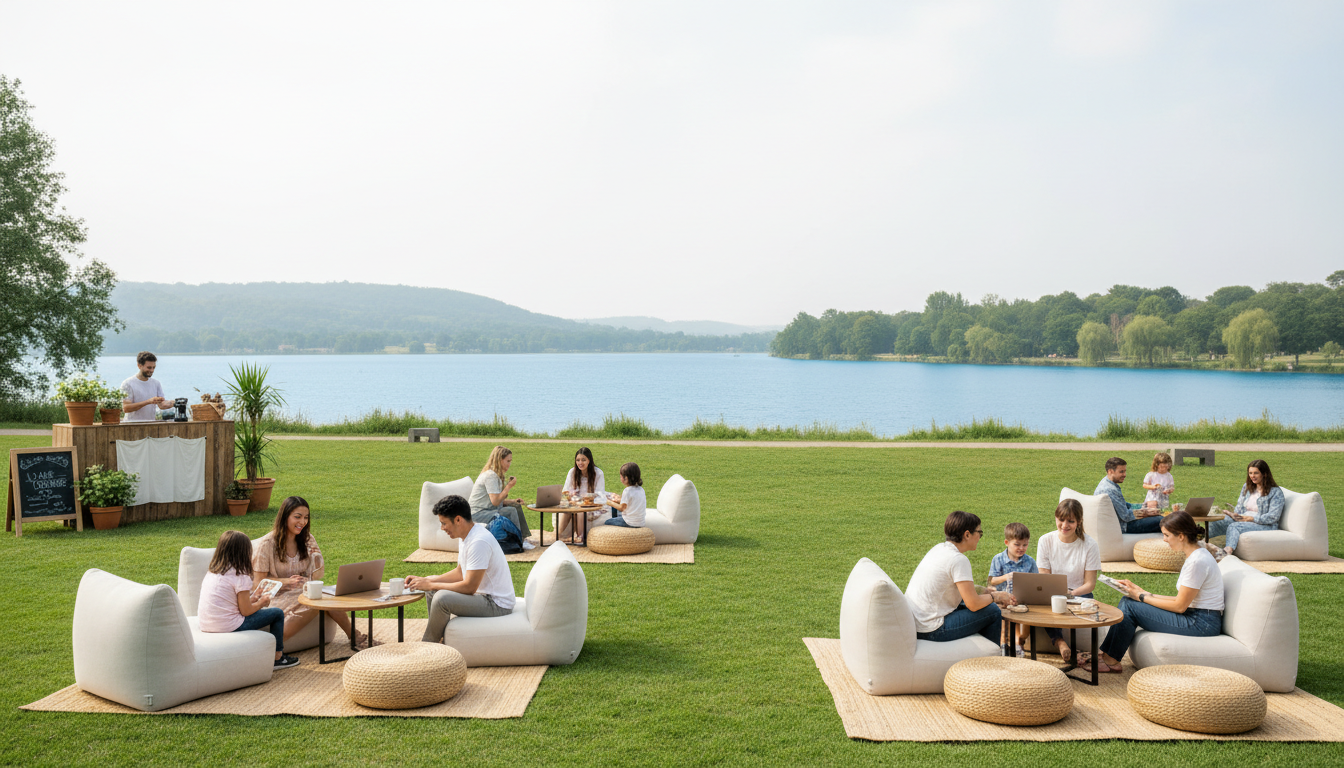
Feedback from park users has been overwhelmingly positive. Community members have praised the improved accessibility and the aesthetic enhancements resulting from the project. Local wildlife enthusiasts have also noted an increase in bird and insect activity, indicating a healthier ecosystem.
Conclusion
This case study exemplifies how innovative drainage solutions can transform public spaces into resilient and sustainable environments. By integrating engineering expertise with ecological considerations, the project successfully addressed the park's challenges and enhanced its value to the community.
Our approach serves as a blueprint for future projects aiming to combine functionality with environmental stewardship, ensuring that public parks remain vibrant and accessible for generations to come.