Precision Grading: Why It's Essential for a Healthy Lawn
Understanding Precision Grading
When it comes to maintaining a lush and healthy lawn, many homeowners focus on aspects like watering, fertilizing, and mowing. However, one crucial factor that often goes unnoticed is precision grading. This process involves reshaping the land to ensure proper drainage and evenness, which is essential for the health and aesthetics of your lawn.
Precision grading is not just about creating a visually appealing landscape. It plays a critical role in preventing water accumulation, which can lead to issues such as soil erosion and lawn diseases. By ensuring the correct slope and contour, precision grading supports the optimal growth of grass and other plants.

The Importance of Proper Drainage
One of the primary benefits of precision grading is improved drainage. When a lawn is not graded correctly, water can pool in low areas, leading to soggy patches that suffocate grass roots and promote fungal growth. Proper grading directs water away from your home and garden, preventing these issues.
Additionally, effective drainage helps in preserving the integrity of your home's foundation. Water that accumulates near the foundation can cause cracks and other structural damages, making precision grading an essential preventative measure.
Enhancing Lawn Health
Beyond drainage, precision grading contributes significantly to the overall health of your lawn. By creating a smooth, even surface, it ensures uniform sunlight exposure and nutrient distribution. This uniformity is crucial for promoting vigorous grass growth and preventing thin or bare spots.
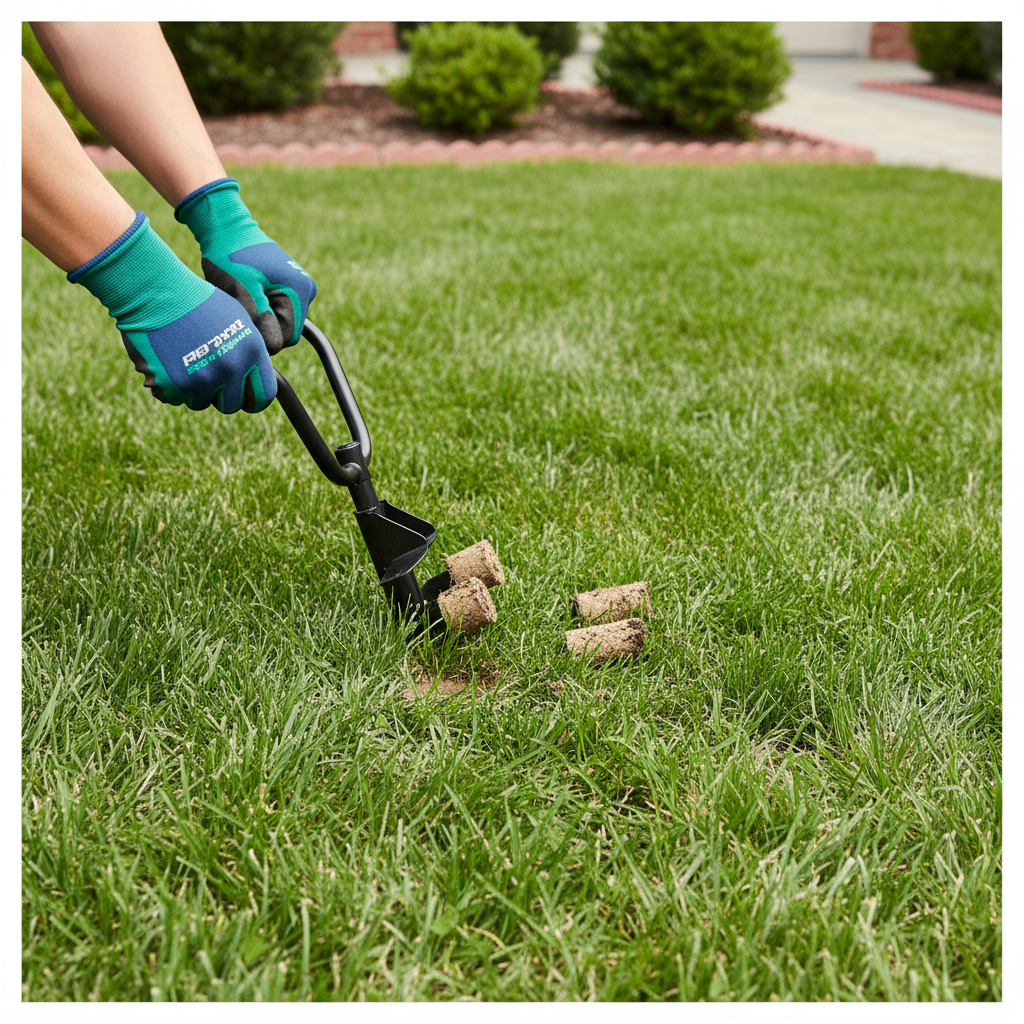
Moreover, a well-graded lawn aids in the efficient absorption of fertilizers and treatments, maximizing their effectiveness. This means less wastage and better results from your lawn care investments.
Long-term Benefits
Investing in precision grading is not just about immediate improvements. It offers long-term benefits that can enhance your property's value. A well-maintained, healthy lawn is a significant selling point and can increase curb appeal, making your property more attractive to potential buyers.
The process also reduces maintenance efforts. With a properly graded lawn, you are less likely to encounter issues that require frequent repairs, saving time and money in the long run.

Steps to Achieving Precision Grading
Achieving precision grading involves several key steps. Initially, a thorough assessment of the current landscape is necessary. This includes identifying low spots, high spots, and existing drainage patterns. Once the assessment is complete, soil is added or removed to create the desired slope.
- Assessment: Identify problem areas.
- Planning: Design a grading plan that addresses drainage needs.
- Execution: Use appropriate equipment to reshape the land.
- Finishing: Ensure the surface is smooth and ready for seeding or sodding.
Professional landscapers often have the expertise and equipment needed for precision grading. However, for homeowners who prefer a hands-on approach, renting equipment and following a detailed plan can also yield excellent results.
Conclusion
Precision grading is a vital component of lawn care that ensures both the health and beauty of your landscape. By addressing drainage issues and promoting even growth, it sets the foundation for a thriving lawn. Whether you're looking to enhance your home's appeal or reduce future maintenance, investing in precision grading is a wise decision that offers numerous benefits.