Solving Soggy Lawns: The Role of Grading and Drainage
Understanding the Problem of Soggy Lawns
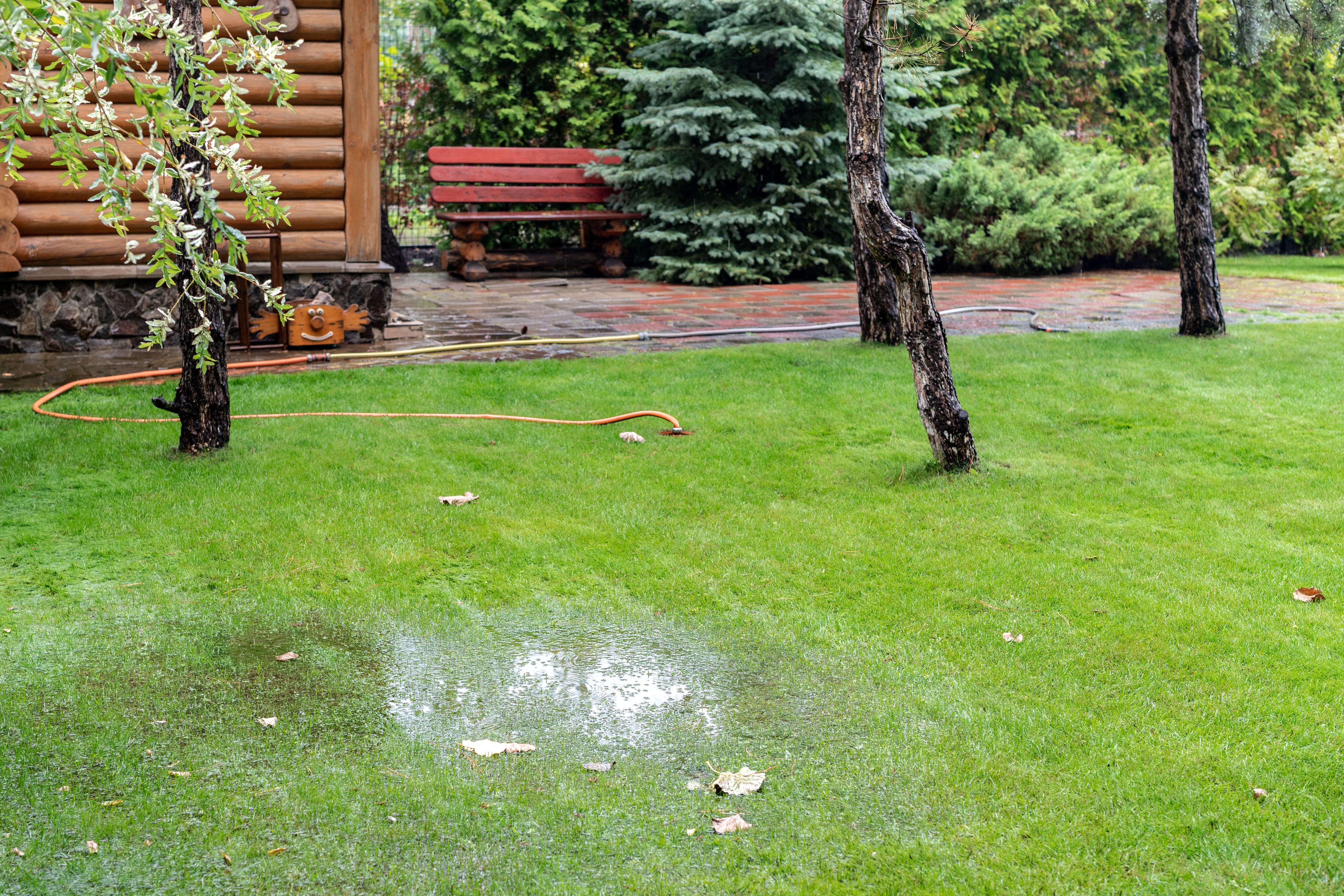
Dealing with a soggy lawn can be a frustrating experience for homeowners. Waterlogged soil not only affects the aesthetics of your yard but also poses a threat to the health of your grass and plants. A proper understanding of the underlying causes can help in implementing effective solutions.
Several factors contribute to soggy lawns, including poor soil composition, inadequate drainage systems, and improper grading. Identifying these issues is the first step towards a healthier, more vibrant lawn.
The Importance of Proper Grading
Grading refers to the level or slope of the land. Proper grading ensures that water flows away from your home and doesn't accumulate in unwanted areas. If your lawn is not graded correctly, it can lead to persistent waterlogging issues.
To determine if grading is a problem, observe how water flows after a heavy rain. If you notice pooling or slow drainage, it might be time to consider regrading your lawn. This process involves reshaping the land to create a natural slope, ensuring efficient water runoff.
Enhancing Drainage Systems
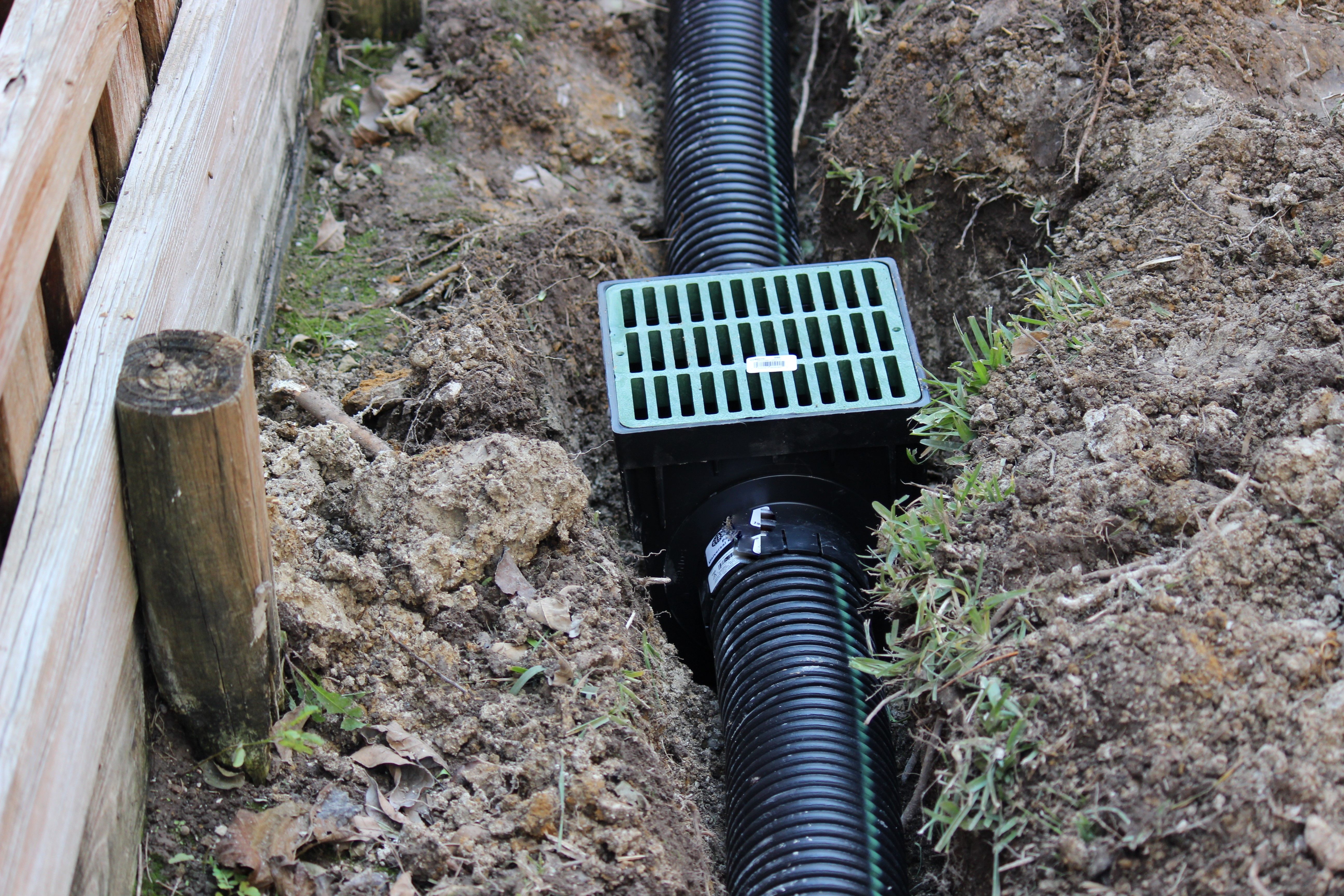
In addition to grading, effective drainage systems play a crucial role in preventing soggy lawns. There are several drainage solutions available, each suited to different landscape needs. Here are some popular options:
- French Drains: These involve a trench filled with gravel and a perforated pipe that redirects water away from problem areas.
- Dry Wells: A dry well collects excess water and allows it to percolate into the surrounding soil.
- Channel Drains: These are useful for driveways and patios where surface water needs to be diverted quickly.
Maintaining Healthy Soil
Healthy soil is essential for proper drainage. Compacted or clay-heavy soil can prevent water from seeping through, leading to soggy conditions. Aerating your lawn can help improve soil structure by allowing more air and water to penetrate the ground.
Incorporating organic matter like compost can also enhance soil quality, promoting better drainage and healthier plant growth. Regular maintenance and soil testing can ensure your lawn remains in optimal condition.
Professional Help: When to Call an Expert
While some drainage and grading issues can be tackled on your own, there are situations where professional help is advisable. If your property has significant water issues or complex landscape features, a landscaping expert can provide tailored solutions.
Professional landscapers use advanced tools and techniques to assess and address grading and drainage problems effectively. Investing in expert assistance can save time and prevent costly damage to your property in the long run.
Long-term Benefits of Proper Grading and Drainage
Addressing grading and drainage issues not only solves the immediate problem of a soggy lawn but also provides long-term benefits. A well-drained yard supports healthy plant growth, reduces the risk of water damage to your home, and enhances overall property value.
Moreover, a properly maintained lawn is more resilient against weather changes and requires less frequent repairs, offering peace of mind and a beautiful outdoor space to enjoy.

Conclusion: Taking Action for a Healthier Lawn
Solving soggy lawn issues involves understanding the root causes and implementing appropriate solutions. Whether it's adjusting the grading, enhancing drainage, or improving soil quality, taking proactive steps can transform your yard into a lush, inviting space.
Don't let waterlogged conditions dampen your outdoor enjoyment. By focusing on grading and drainage, you can pave the way for a healthier, more sustainable lawn.