Timing Sod Installation in Tennessee: Why Fall Could Be Ideal
Why Choose Fall for Sod Installation?
When it comes to sod installation in Tennessee, timing can significantly impact the success of your lawn. While many homeowners might consider spring or summer for this task, fall could be the ideal season for laying down new sod. The cooler temperatures and increased rainfall create a favorable environment for sod to establish strong roots.

Understanding Tennessee's Climate
Tennessee's climate is characterized by hot summers and mild winters, making fall a perfect transitional period for sod installation. During this time, the soil is still warm from the summer months, which aids in root growth, while the cooler air reduces stress on the new sod. This combination helps the grass establish itself before winter sets in.
Moreover, fall in Tennessee typically brings more consistent rainfall, which is crucial for keeping the sod hydrated without the need for excessive manual watering. This natural irrigation supports root development and reduces the risk of sod drying out.
Benefits of Fall Sod Installation
There are several advantages to installing sod in the fall:
- Reduced Heat Stress: The lower temperatures minimize the stress on newly laid sod.
- Optimal Root Growth: Warmer soil and cooler air encourage roots to grow deeper and stronger.
- Less Competition from Weeds: Many weeds are less active in the fall, giving your sod a better chance to thrive.
Preparing the Soil
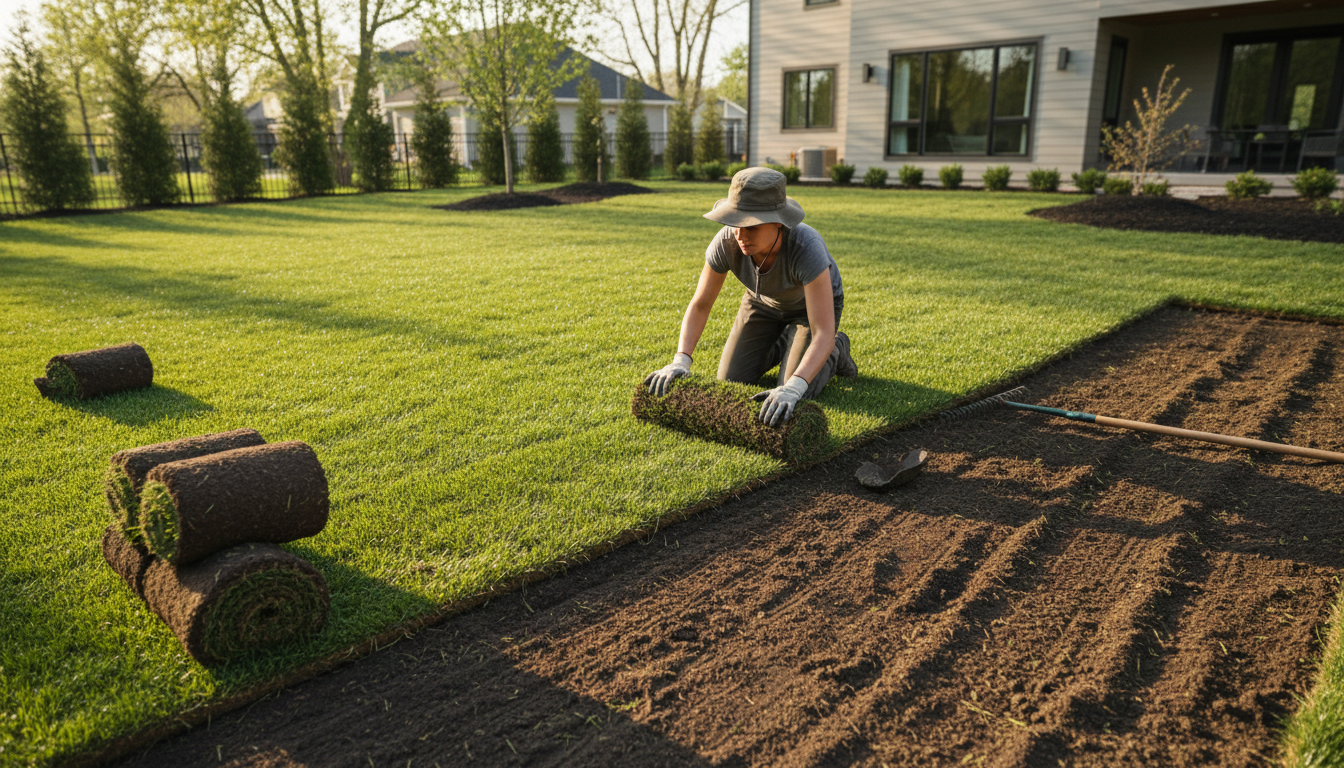
Proper soil preparation is vital for successful sod installation. Begin by clearing the area of any debris and weeds. It's also a good idea to test the soil pH and amend it if necessary. Loosening the topsoil and adding organic matter can improve soil structure and provide necessary nutrients for the sod.
After preparing the soil, level it to ensure even contact between the sod and the ground. This step is crucial for preventing air pockets that can hinder root establishment.
Post-Installation Care
Once the sod is installed, consistent care is necessary to ensure its success. Water the sod thoroughly immediately after installation. For the first few weeks, keep the sod moist, but avoid overwatering, which can lead to fungal diseases.

It's also important to avoid heavy foot traffic on the newly laid sod to allow the roots to establish without disturbance. After a few weeks, as the sod begins to root, gradually reduce the frequency of watering and start mowing once the grass reaches an appropriate height.
Long-Term Lawn Health
Installing sod in the fall sets the stage for a lush, healthy lawn in the spring. By choosing this timing, you're giving your lawn the best chance to develop a strong root system that can withstand summer heat and drought conditions. Additionally, fall installation allows you to address any issues before the growing season begins, ensuring a vibrant lawn year-round.
In conclusion, if you're considering sod installation in Tennessee, fall offers numerous benefits that can lead to a thriving, beautiful lawn. With proper preparation and care, your new sod will have the foundation it needs to flourish for years to come.