Understanding Winter Grass Dormancy: Why Your Tennessee Lawn Turns Brown
Understanding Winter Grass Dormancy
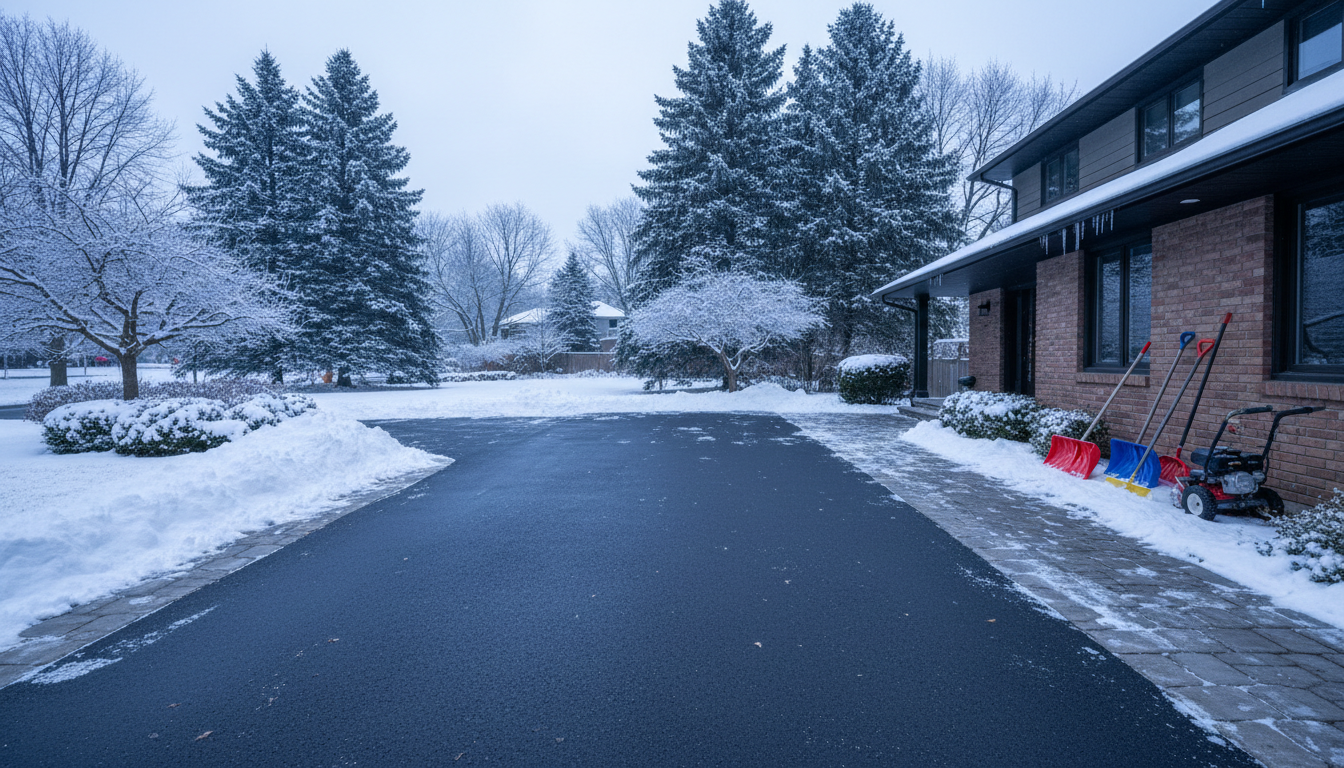
As the chill of winter settles in Tennessee, many homeowners might notice their lush green lawns turning brown. This transformation can be startling, but it is a natural process known as grass dormancy. Understanding this phenomenon can help you maintain a healthy lawn year-round.
What is Grass Dormancy?
Grass dormancy is a survival mechanism that allows grass to conserve energy during unfavorable conditions, such as cold temperatures. During dormancy, grass growth slows, and the vibrant green color fades to brown. This process is typical in cool-season grasses, which are common in Tennessee.
When temperatures drop, grasses like Kentucky bluegrass and fescue enter a state of dormancy. Though the grass may appear dead, it is merely conserving resources until conditions improve.
Why Does Your Lawn Turn Brown?
The brown color of dormant grass is caused by the cessation of chlorophyll production. Chlorophyll is responsible for the green pigment in plants. When grass becomes dormant, chlorophyll production halts, resulting in the brown hue.
How to Care for a Dormant Lawn
While your lawn may look less appealing during the winter months, it still requires care. Here are some tips to ensure your grass remains healthy:
- Avoid excessive foot traffic: Dormant grass is more fragile and can be damaged easily.
- Water sparingly: Overwatering can lead to root rot. Water only during extended dry periods.
- Keep the lawn clear: Remove debris, leaves, and other materials to prevent mold and disease.
When Will Your Lawn Green Up Again?
As temperatures rise in the spring, your grass will gradually come out of dormancy. The return of warmer weather stimulates chlorophyll production, and your lawn will begin to green up again. The exact timing can vary depending on the specific weather conditions each year.

Preventing Winter Damage
Although dormancy is a natural process, taking steps to protect your lawn during the winter can prevent damage. Consider applying a winter fertilizer to provide essential nutrients that support root health. Aerating your lawn before winter can also help improve air and water circulation.
Conclusion
Understanding grass dormancy allows you to manage your expectations and care for your lawn appropriately during the colder months. By following proper care techniques, you can ensure a healthier, greener lawn come springtime. Embrace the natural cycle of your Tennessee lawn and enjoy the beauty of each season.